
Why Hydraulic Concrete Mixers Matter for Smoother Construction Projects
- aimixglobal2024
- 2月2日
- 讀畢需時 2 分鐘
Building strong structures needs reliable mixing tools. A hydraulic concrete mixer meets this need well. It uses hydraulic power for smooth, steady mixing. This makes it a smart pick for many construction jobs today.
What Makes a Hydraulic Concrete Mixer Different
A hydraulic concrete mixer runs on hydraulic systems, not just basic motors. These systems control mixing parts with precision. So, the mix stays even, and there’s less chance of clumps. Unlike some mixers, it adjusts speed based on load. This saves energy and cuts wear on parts. Also, hydraulic parts are tough. They handle dust, heat, and heavy use on sites. For builders, this means less downtime and lower repair costs.

How Self Loading Concrete Mixers Add Convenience
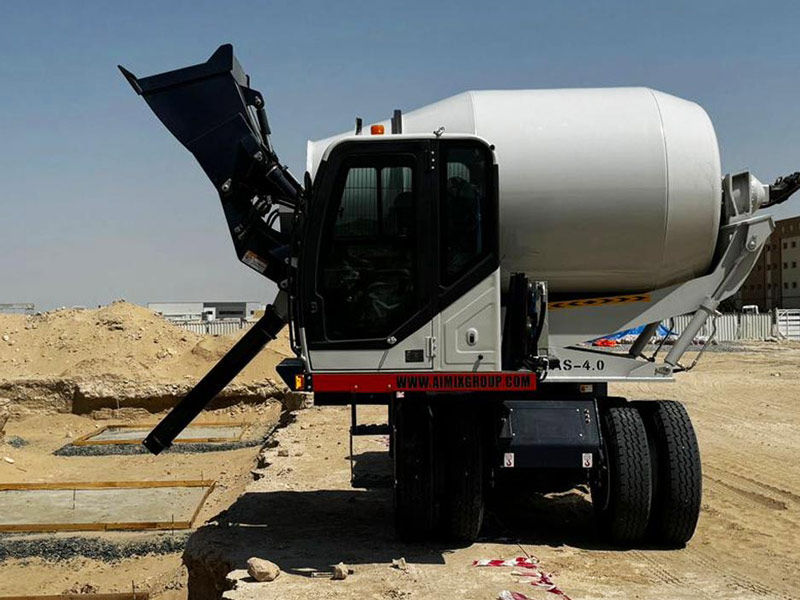
Now, think about a self loading concrete mixer. It takes convenience further. This machine loads materials, mixes, and unloads by itself. Workers don’t need extra tools or hands for loading. When paired with a hydraulic concrete mixer, the combo works better. The hydraulic system powers the self-loading parts. So, loading is smooth, and mixing stays consistent. For small teams or remote sites, this saves time and labor. You get fresh concrete fast, right where you need it.
Key Benefits for Customers on the Job Site
First, a hydraulic concrete mixer boosts mixing quality. Even mixes mean stronger concrete. Stronger concrete lasts longer, so projects need fewer fixes later. Second, it’s easy to control. Operators adjust settings quickly, even in tight spots. Third, maintenance is simpler. Hydraulic parts are built to last, but if repairs come up, they’re easy to reach. Also, pairing it with a self loading concrete mixer cuts steps. Less manual work means fewer errors and faster job progress.
Another plus is flexibility. These mixers work for small jobs like driveways or big ones like building foundations. They fit on most sites, even where space is tight. Plus, they use fuel efficiently. Hydraulic systems don’t waste power, so running costs stay low. Over months or years, this adds up to real savings.
Tips for Choosing the Right Mixer for Your Needs
Start by checking your project size. Small jobs may need a compact self loading concrete mixer with hydraulic power. Bigger jobs might require a larger model. Next, look at site access. Narrow paths? Pick a mixer that’s easy to move. Also, think about operator skill. Hydraulic systems are user-friendly, but training helps avoid mistakes. Ask suppliers about after-sales support. Good service keeps your mixer running when you need it.
Don’t forget to test the mixer if possible. Run a trial mix to check speed and consistency. See how the self-loading part works with the hydraulic system. This helps ensure it fits your workflow. Remember, the goal is a tool that works hard, not one that complicates things.
Wrapping Up: A Practical Tool for Better Building
A hydraulic concrete mixer is more than just a mixing machine. It’s a helper that makes concrete work easier and results better. When matched with a self loading concrete mixer, it tackles more tasks in less time. For builders who want steady quality, lower costs, and less hassle, it’s a solid choice. Try one on your next job, and see how it simplifies your day.


留言