
Rolling Strength: How Large Concrete Mixer Trucks Power Modern Builds
- aimixglobal2024
- 2月8日
- 讀畢需時 3 分鐘
When we think of big construction projects, cranes and steel often come first. Yet, large concrete mixer trucks play a quiet but vital role. They bring mixed concrete right where it’s needed. Without them, building roads, bridges, or homes would slow down.

What Makes a Large Concrete Mixer Truck Stand Out?
A large concrete mixer is bigger than standard mixers. It holds more concrete, so crews make fewer trips. This saves time and fuel. Also, its drum rotates slowly while driving. This keeps concrete from hardening during transit.
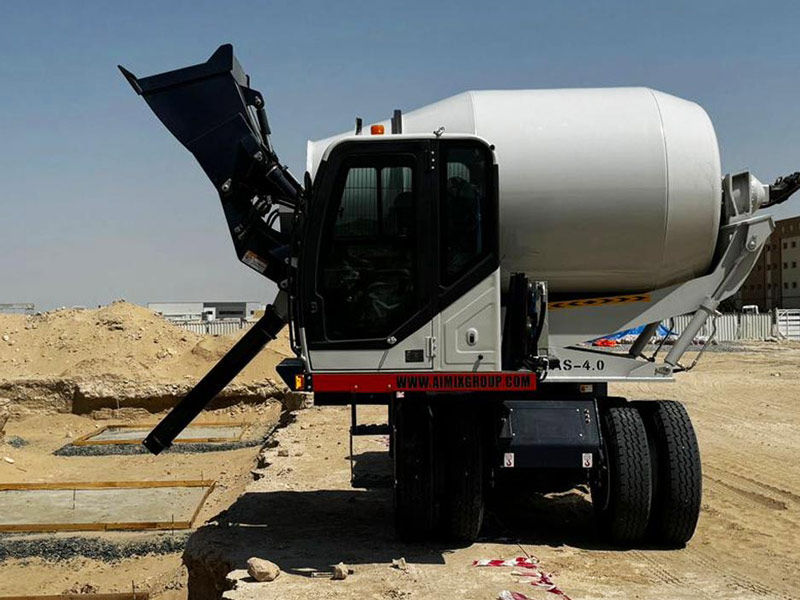
Many models now include a self mixing concrete truck feature. This means the truck mixes materials at the site. Crews add water, cement, and aggregates directly into the drum. Then, the truck stirs until the mix is ready. No separate batch plant is needed. This cuts steps and speeds up work.
Why Size Matters for Big Jobs
Large concrete mixer trucks shine on large-scale sites. Think airport runways or high-rise foundations. These jobs need tons of concrete fast. A bigger truck delivers more per load. So, crews finish pours quicker.
Also, size helps in tight spots. Some large mixers have tighter turning circles. They fit better on crowded sites. Plus, their weight balance prevents tipping. This makes them safer to drive around active work zones.
The Self Mixing Feature: Simple, But Smart
The self mixing concrete truck option solves common problems. Sometimes, batch plants are far from sites. Transporting mixed concrete risks setting too soon. With self mixing, crews control the mix on-site. They adjust water or additives as needed.
This feature also cuts waste. If a pour needs less concrete, crews mix only what’s required. No leftover mix goes to waste. For small or irregular pours, this is a big help. It also lets crews fix mix issues fast. For example, if the mix is too dry, they add water and remix.
Key Benefits for Customers
First, the large concrete mixer can boost efficiency. Fewer trips mean lower fuel costs. Faster pours keep projects on schedule. Second, the self mixing option adds flexibility. Crews adapt to site conditions easily. Third, these trucks reduce labor. One truck does mixing and delivery. No extra equipment or workers are needed.
Also, they improve concrete quality. On-site mixing means fresh concrete reaches the pour. There’s less risk of segregation or early hardening. This leads to stronger, more durable structures.
Choosing the Right Large Concrete Mixer Truck
Not all large mixers are the same. First, check capacity. Match it to your project’s daily concrete needs. A 10-cubic-yard truck suits medium jobs. A 12- or 14-cubic-yard model fits big builds.
Next, look for a reliable self mixing system. Ensure controls are easy to use. Crew members should learn them quickly. Also, check maintenance needs. A mixer with simple drum cleaning saves time. Ask about parts availability too. Quick repairs mean less downtime.
Finally, consider terrain. For rough sites, pick a truck with strong suspension. For city jobs, prioritize compact design and low noise. Test-driving a model helps judge comfort and handling.
Making the Most of Your Investment
To get value from a large concrete mixer truck, train crews well. Teach them to use the self mixing feature properly. Show how to check mix consistency and adjust as needed. Regular maintenance is key. Clean the drum after each use. Grease moving parts to prevent wear.
Also, track usage data. Note how many loads you pour daily. This helps plan future projects. If you often need smaller pours, a self mixing truck may replace a batch plant. If you do huge pours, pair it with other large mixers for faster output.
In short, large concrete mixer trucks are more than just delivery vehicles. With their size and self mixing features, they make concrete work simpler and smarter. For builders who value efficiency and quality, they are a tool worth adding to the fleet.


留言